
Calcined Petroleum Coke
Product Introduction
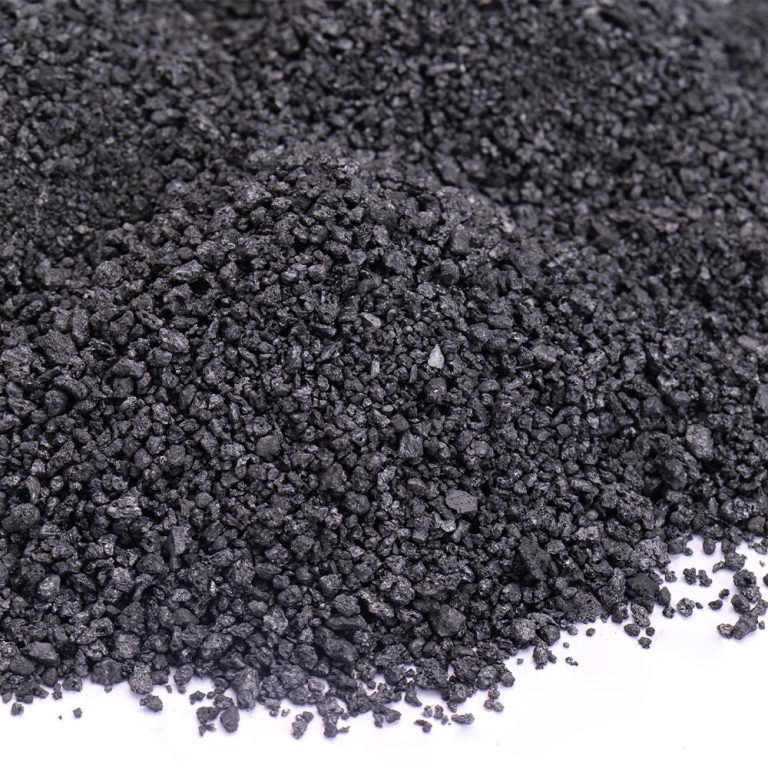
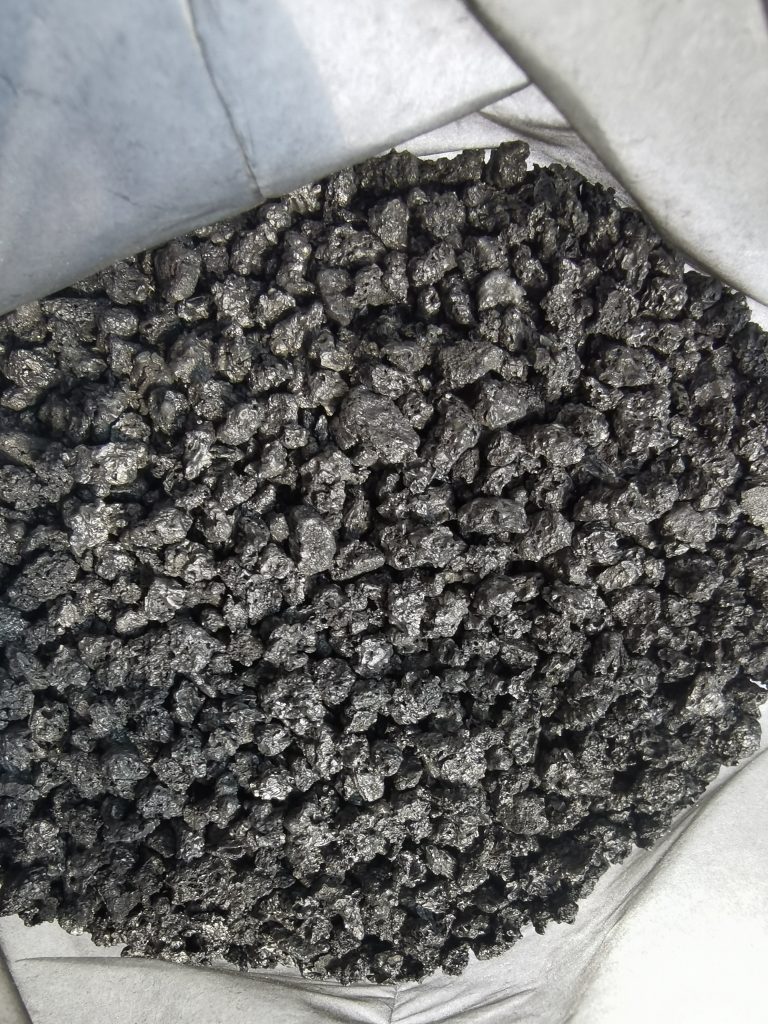
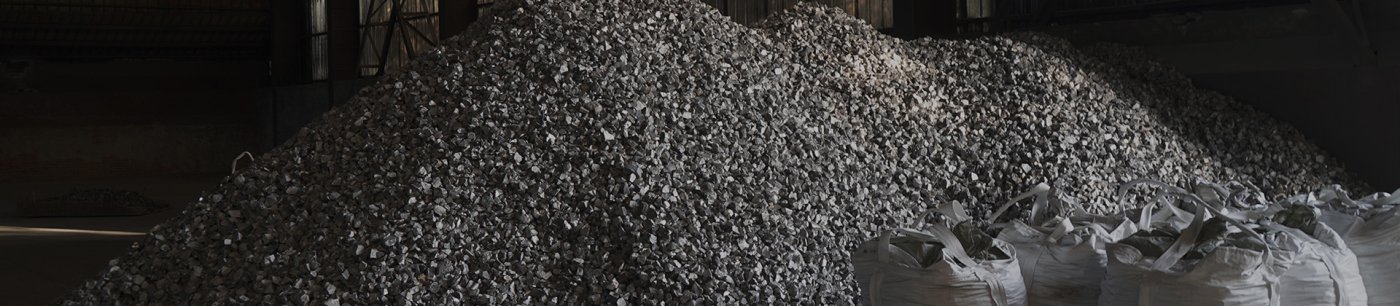
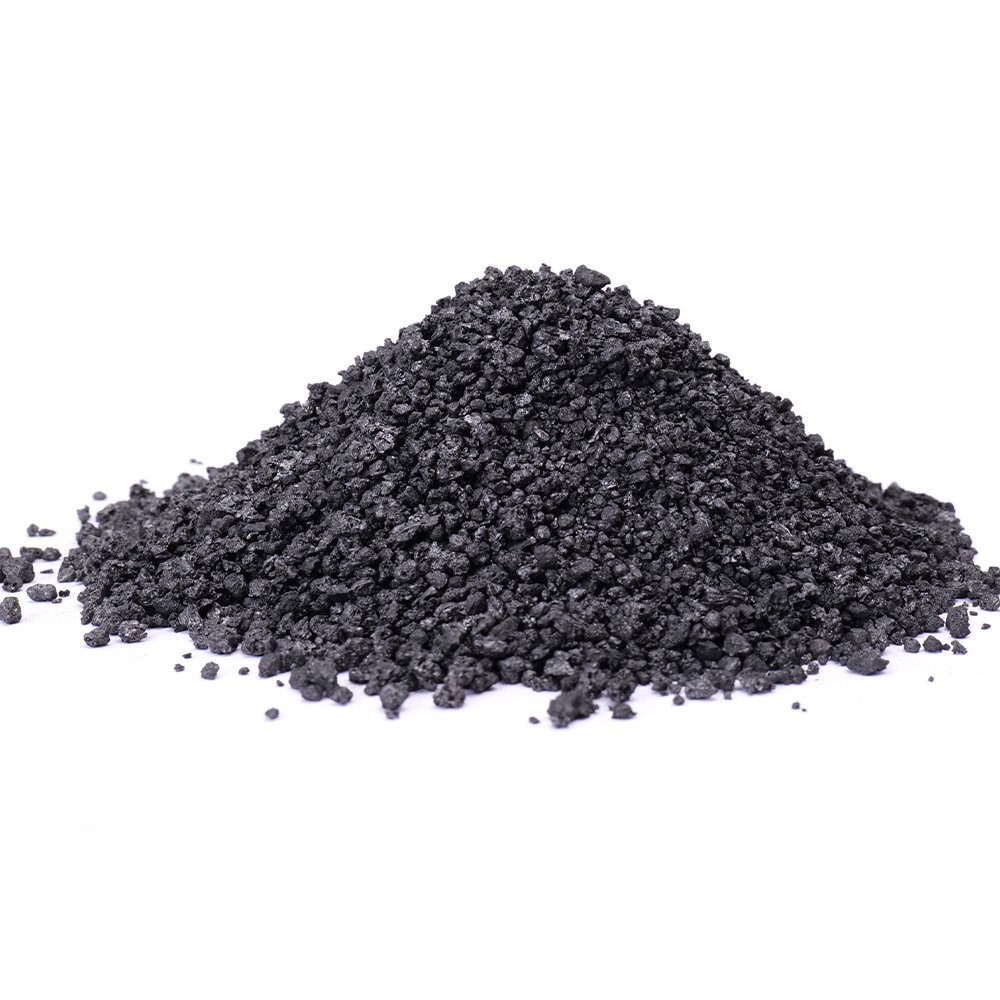
Calcined Petroleum Coke (CPC), Granules is a high-purity carbon material produced by heating green petroleum coke to drive off moisture, volatile matter, and impurities and to increase its electrical conductivity.
CPC Granules is used to improve the carbon content in steel-making and ductile iron foundry. CPC Granules is widely used to produce graphite electrode, graphite blocks, brake pads and other carbon products. Iron Casting Recarburizer can also be used as a carbon additive in some steel and aluminium plants, another, it is used in refractory, insulation, filler, etc.
Our CPC Calcined Petroleum Coke is well sold in European, American, Japanese and South-east Asian markets.
Low Sulphur recarburizer CPC Granules
Specification of Calcined Petroleum Coke
|
Model |
Chemical Composition(%) |
||||
|
Fixed carbon |
S |
Ash |
V.M |
Moisture |
|
|
≥ |
≤ |
||||
|
CPC |
98.5 |
0.05-0.35 |
0.3 |
1 |
1 |
|
Size |
1-3mm, 3-5mm, 5-8mm, or as customer requirement. |
||||
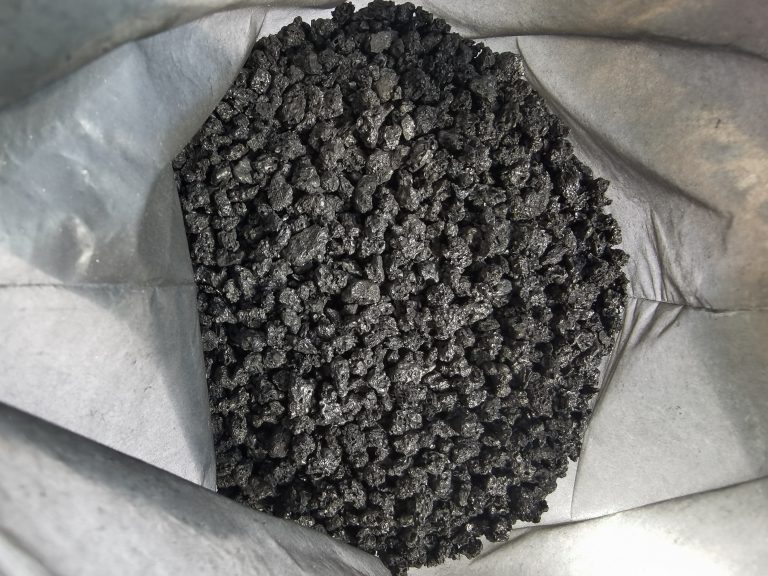
Packaging: According to customers' requirements, such as 25kg plastic woven belt over tonne bag, packaging paper bag wrapped with film, etc., and can be printed with specified logo.
Application Of Calcined Petroleum Coke Carburizer
1. Aluminum Manufacturing: CPC is used to make anodes for the aluminium smelting industry.
2. Steel and Titanium Smelting: CPC is used to produce anodes for the steel and titanium smelting industry.
3. Synthetic Graphite: High carbon recarburizer CPC is used as the feedstock for the production of artificial graphite.
4. Fuel: CPC is used as a fuel in power generation, cement kilns, and other industries.
5. Electrodes: Graphite can be produced from low-sulfur CPC, which is used in producing electrodes for electric arc furnaces used in the steel-making industry.
6. Anodes: Calcined petroleum coke, often low in sulfur and metallic impurities, is used to make anodes for the smelting industry.
Calcined Petroleum Coke Production
Calcined petroleum coke (CPC) is produced by heating or "calcining" green petroleum coke at temperatures greater than 1200°C. The production of CPC involves refining crude oil, coking heavy fractions, and calcining the resulting solid residue to produce a high-carbon material. This process takes place in units termed coker units. The further processing of green coke by calcining in a rotary kiln removes residual volatile hydrocarbons from the coke. The calcined petroleum coke can be further processed in an anode baking oven to produce anode coke of the desired shape and physical properties. The anodes are mainly used in the aluminium and steel industries.